

Blog list
Visionaire Optometry Spa Blog
Learn more about optometrist care in our blog!
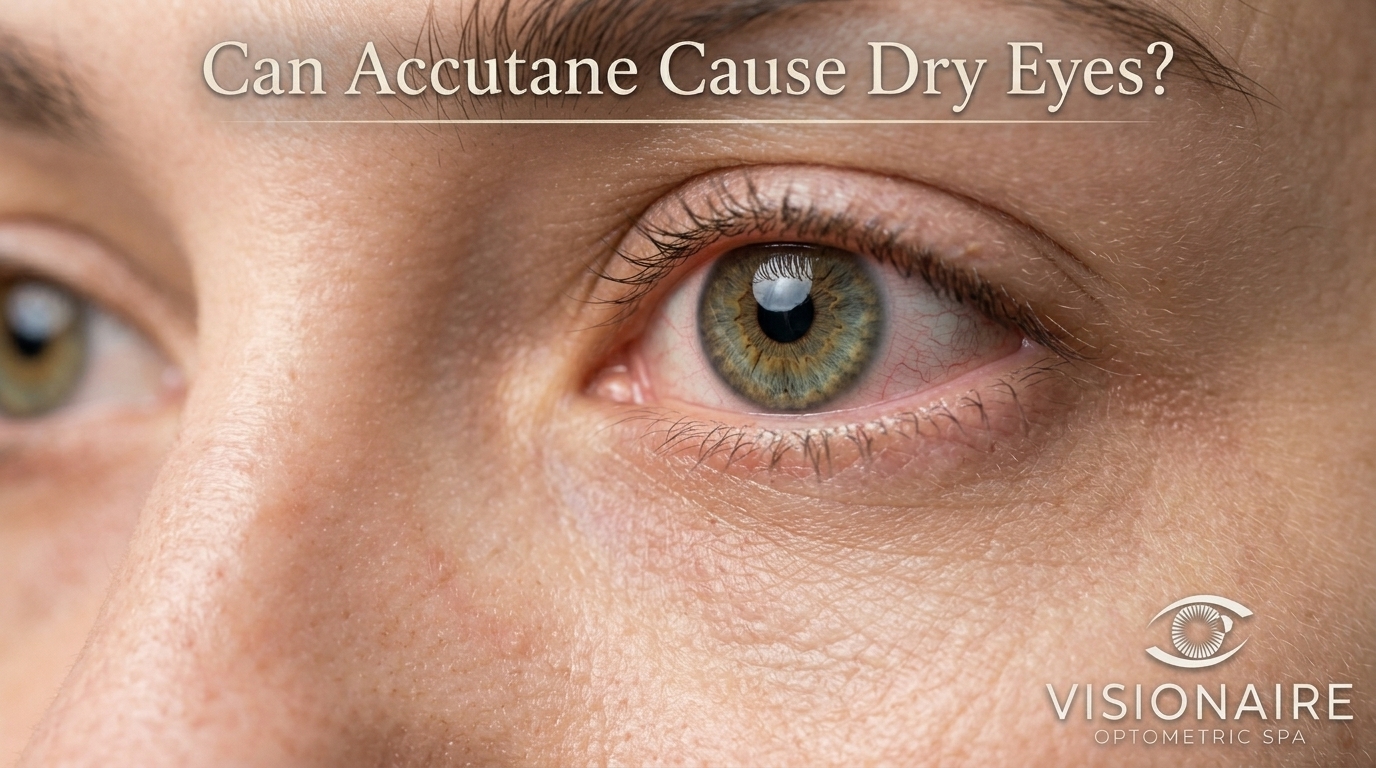
Have your eyes started feeling dry, irritated, or unusually sensitive since you began taking Accutane? Do your contact lenses suddenly feel uncomfortable, or do your eyes burn even when you use artificial tears?

Dry eye is a common condition that happens when your eyes do not produce enough tears or when your tears do not work properly. Healthy tears are important for clear vision, comfort, and protecting the surface of the eye. When the tear film becomes unstable, it can lead to irritation, blurry vision, and ongoing discomfort. We help patients understand the cause of their dry eye symptoms and recommend treatment options based on their needs.
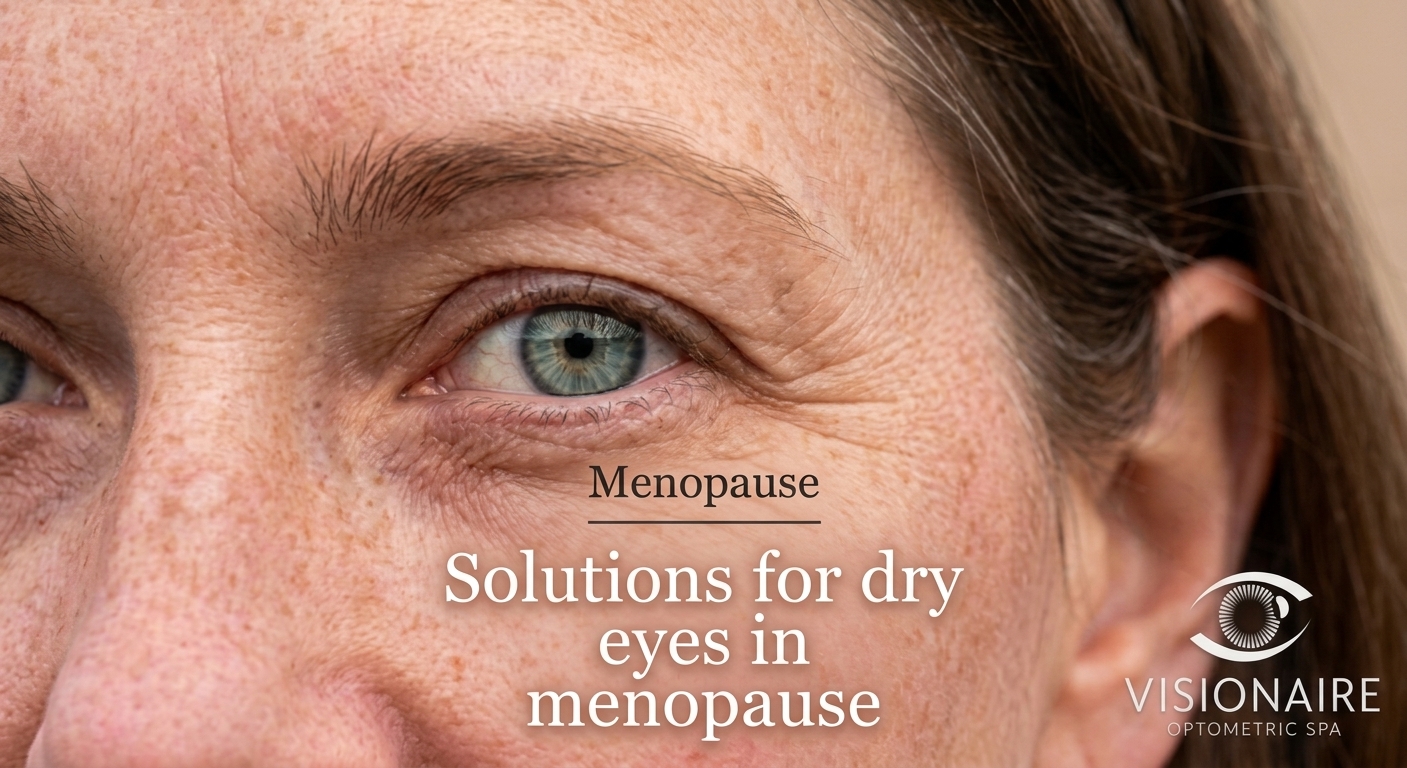
If your eyes suddenly feel dry, gritty, burning, irritated, or blurry, you may be wondering if menopause could have something to do with it. The answer is yes, menopause can contribute to dry-eye symptoms.

Contact Lens Safety Month is a helpful reminder to review how you wear, clean, and care for your lenses every day. Even small mistakes can lead to irritation, dryness, blurry vision, or eye infections.
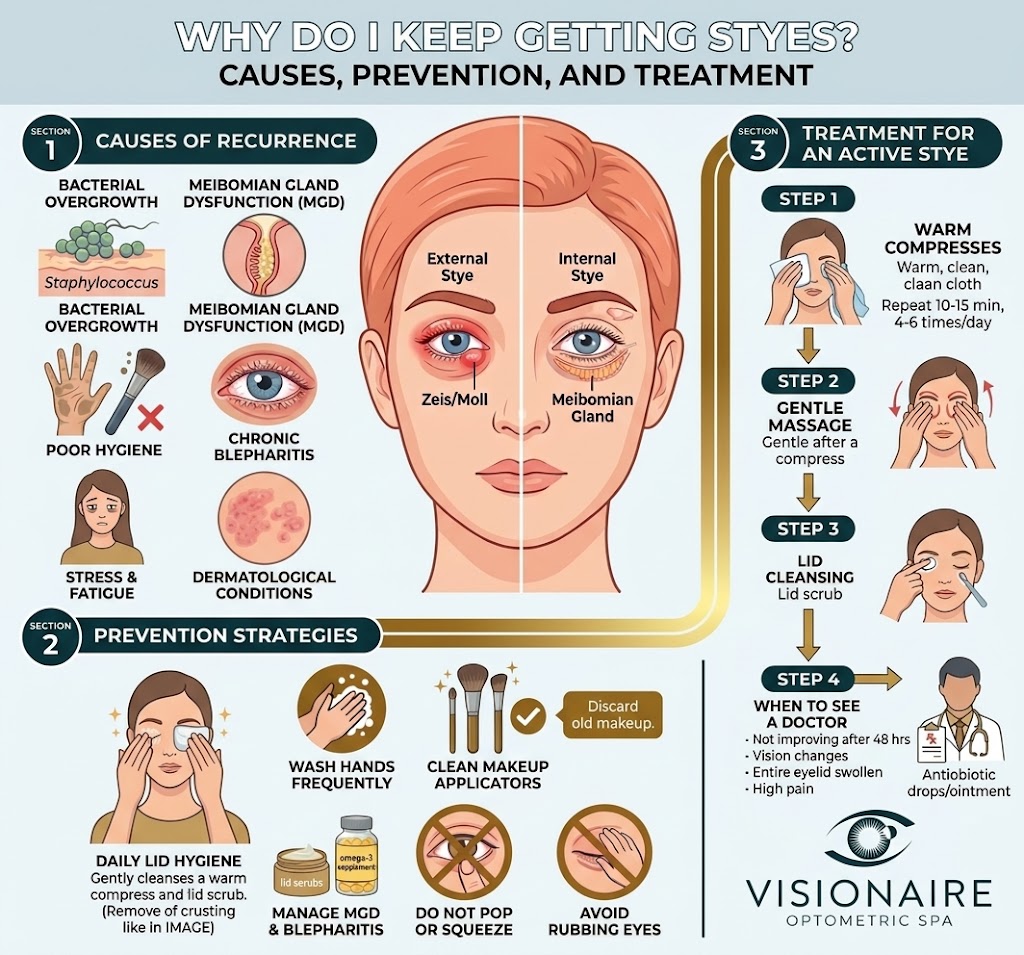
People with recurring styes often describe the same frustrating cycle: a painful bump appears, they use warm compresses, it improves, and then another one comes back.
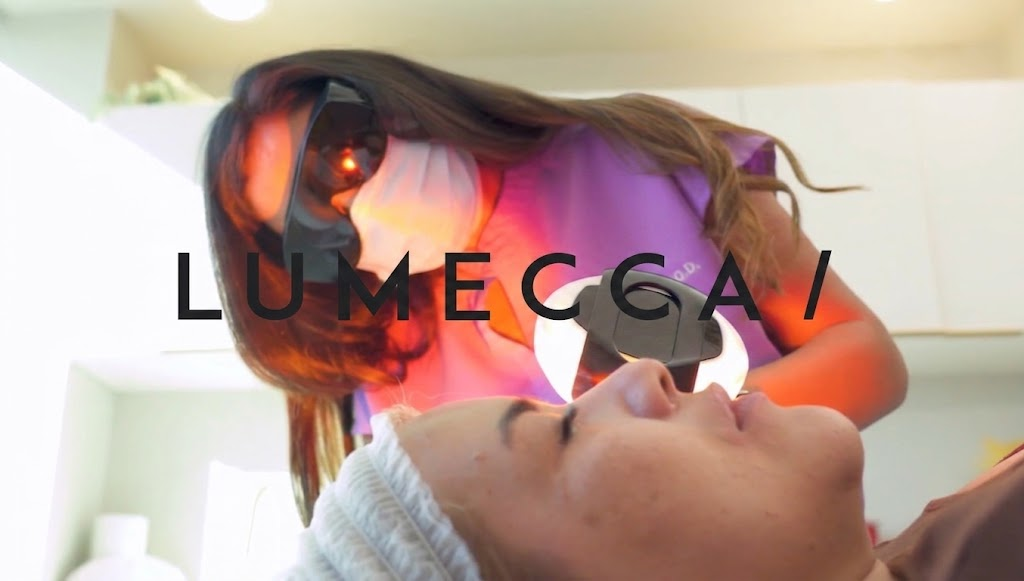
If your eyes constantly feel dry, gritty, irritated, red, or tired, and artificial tears only help for a few minutes, there may be more going on than simple dryness.
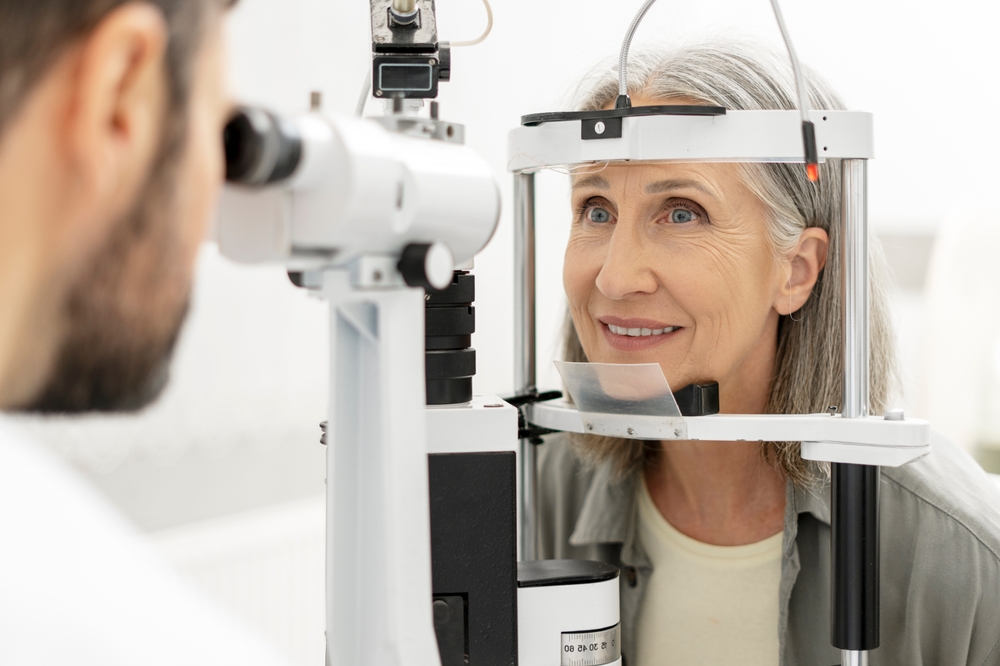
Cataracts are a common vision condition that can develop gradually over time. Because early symptoms may be subtle, many people do not realize their vision is changing until daily tasks become more difficult. Knowing the early signs of cataracts can help you schedule an eye exam before the condition begins to affect your comfort, safety, and quality of life.

Healthy Aging Month is a good reminder that caring for your eyes is an important part of supporting your overall health. As we get older, changes in vision can happen gradually, and some eye conditions may develop without obvious symptoms at first. Regular eye care helps protect your sight, detect concerns early, and keep your vision as clear and comfortable as possible.
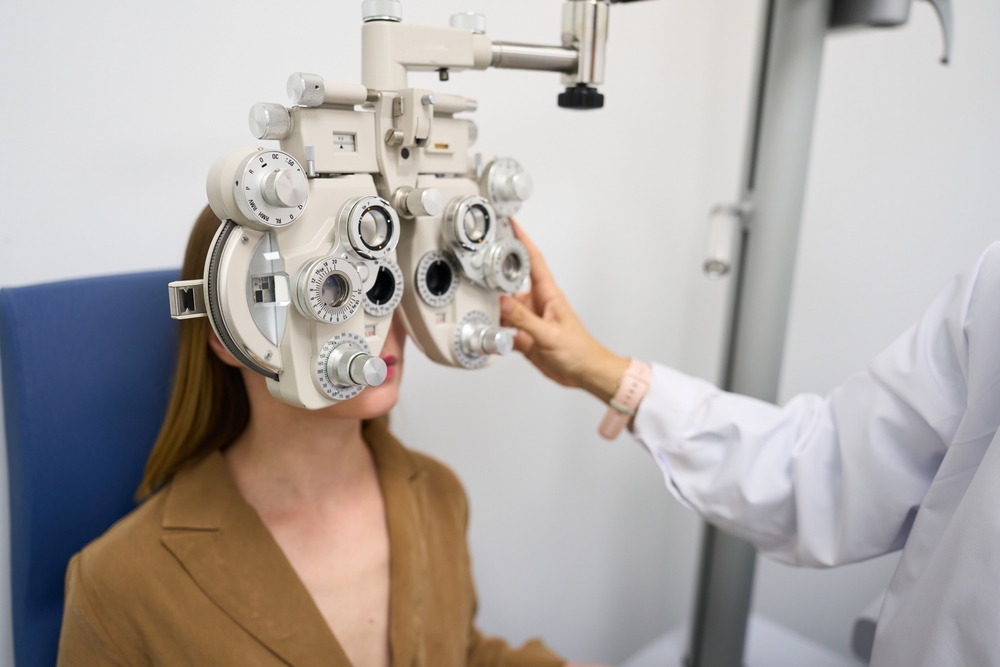
Vision screenings and comprehensive eye exams both help identify vision concerns, but they are not the same. A vision screening is a basic check that may detect possible signs of a problem, while a comprehensive eye exam gives a more complete look at your vision, eye health, and overall visual function.
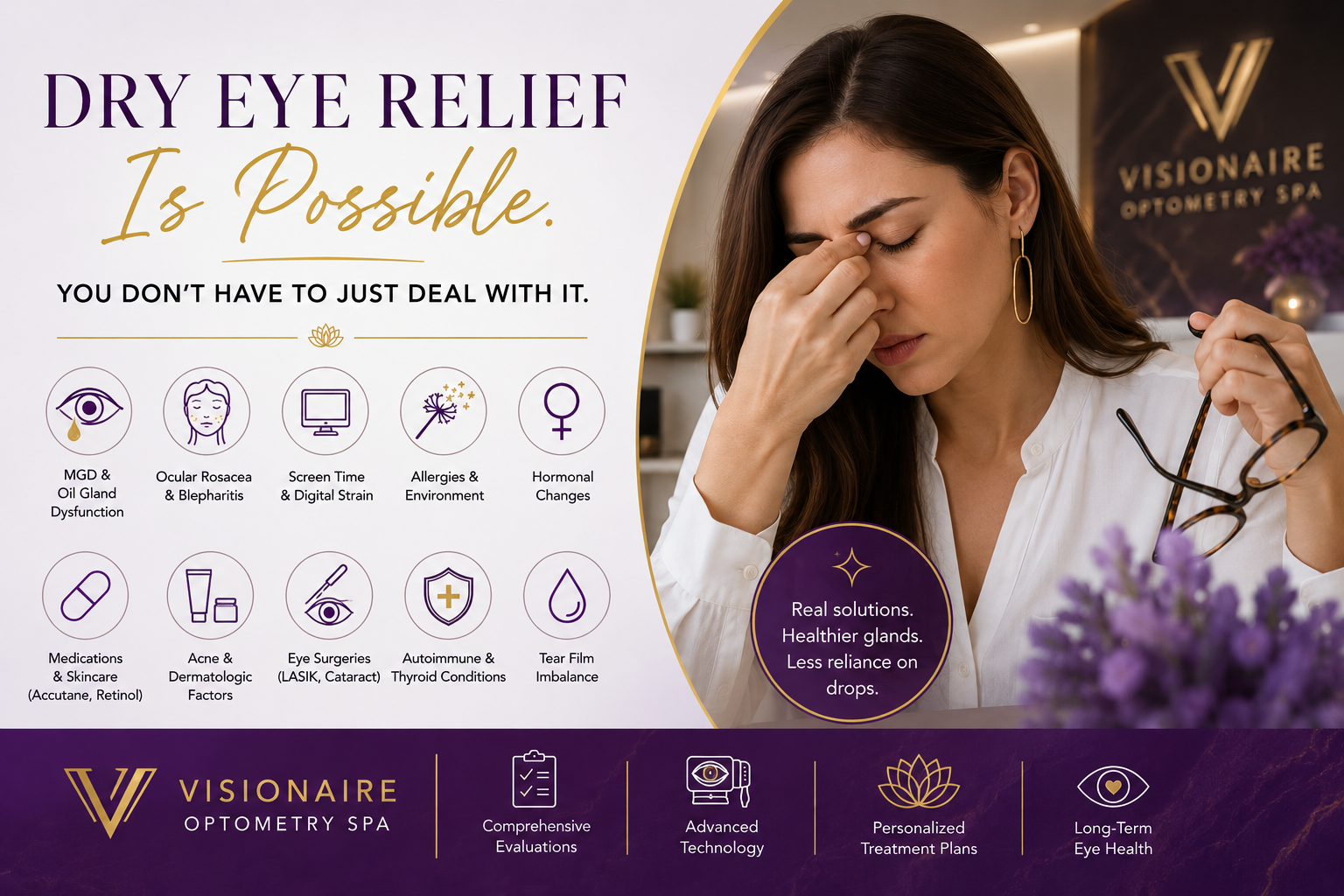
If you’ve been using artificial tears for years, constantly rubbing your eyes, dealing with red or irritated eyelids, or experiencing blurry vision by the end of the day, you may be wondering: Can an optometrist actually help my dry eyes?

All Eye
Care Services

Keep
In Touch


Our Services

Hours of Operation
- Monday 9:00 AM - 5:00 PM
- Tuesday 9:00 AM - 1:00 PM
- Wednesday 10:00 AM - 6:00 PM
- Thursday 9:00 AM - 5:00 PM
- Friday 9:00 AM - 1:00 PM
- Saturday Limited Availability
(Deposit required for Saturday Appointments Applied towards services or materials)
- Sunday Closed
© 2026 Visionaire Optometry Spa. All rights Reserved. Accessibility Statement - Privacy Policy - Sitemap
Powered by:

